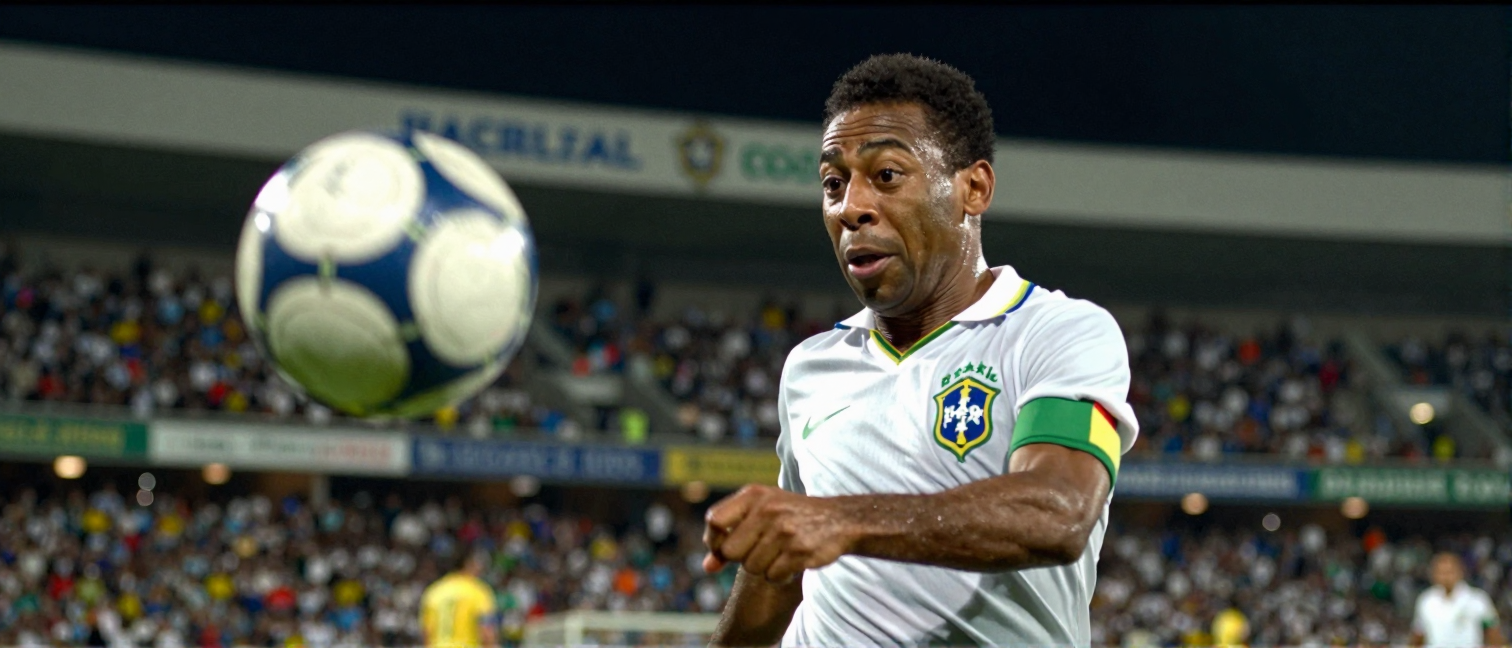
Pelé is back in the headlines not for a goal but for a technique he once praised – the stutter‑step penalty – after Bruno Guimarães botched the move and Brazil fell 2‑0 to Norway on 6 July 2026 in New York‑New Jersey.
What happened on 6 July?
In the last‑16 clash, Guimarães stepped up in the first half, executed a stop‑start run‑up, and saw Ørjan Nyland dive left to parry the weak effort. The miss left Brazil scoreless. Norway later struck twice through Erling Haaland in the second half, sealing a 2‑0 victory and ending Brazil’s campaign.
Why does Pelé matter here?
The technique traces its roots to a 1959 training session Pelé described in his autobiography *My Story*. He recalled teammate Didi pausing before the kick, spotting the keeper’s movement, and scoring. Pelé called the “paradinha” a clever, albeit borderline, tactic that forced goalkeepers to protest. That anecdote gives the modern stutter‑step its Brazilian pedigree and explains why the move still divides fans.
How the stutter‑step is viewed today
Social media erupted after Guimarães’ failure. One tweet quipped that anyone using the method should be “blindfolded and left in the desert.” Even legends who have tried it – Cristiano Ronaldo’s 2025 World Cup spot‑kick, Kylian Mbappé’s 2024 qualifier, and Lionel Messi’s miss in 2023 – are cited as proof the technique is high‑risk. The International Football Association Board (IFAB) tweaked the law in 2016‑17: feinting after the run‑up is banned, but feinting during the run‑up remains legal. The rule’s wording still leaves room for interpretation, keeping the debate alive.
What could change after Brazil’s loss?
Brazil’s early exit may push IFAB to revisit the wording. Critics argue the current clause still allows a “stop‑and‑look” move that gives the kicker an unfair edge. Supporters claim it’s a legitimate skill, rooted in Pelé‑era creativity, that adds drama to penalties. As the next World Cup approaches, national teams are likely to rehearse both traditional and stutter‑step approaches, weighing the gamble against the possible reward.
Does Pelé’s legacy influence modern tactics?
Pelé’s endorsement of the paradinha in the 1960s gave the move cultural weight. Young Brazilian stars, including Neymar, have cited Pelé’s autobiography when explaining why they practice deceptive run‑ups. The legend’s words continue to shape coaching manuals, reminding players that innovation can be both celebrated and regulated.
What’s next for the stutter‑step?
The next major test will be the Euro 2028 qualifiers, where Portugal’s Cristiano Ronaldo is expected to face a penalty situation. If he opts for a stutter‑step and succeeds, the IFAB may feel pressured to tighten the rule. Conversely, another high‑profile miss could cement the technique’s reputation as a risky novelty. Either way, Pelé’s early observation ensures the conversation won’t fade.
How fans can follow the story
Keep an eye on IFAB press releases and the upcoming FIFA technical conference in August 2026. Those forums will likely address the stutter‑step’s legality, especially after Brazil’s dramatic exit that reignited the controversy.
Pelé’s 1959 insight has become the lens through which the modern game evaluates a penalty style that can win or lose World Cup dreams.